
When you search for online business ideas, it’s easy to get lost in buzzwords, big promises, and screenshots of “overnight success.” One video says you can start an online business with no effort, another tells you that affiliate marketing or digital products will make you rich in a month. It can feel confusing, and sometimes a bit discouraging, because real life usually doesn’t look like that.
This guide is designed to slow things down and keep it honest. Instead of hyping up the latest trend, we’ll walk through the main ways you can realistically start an online business, from affiliate marketing and digital products to online courses, services, and more. For each area, you’ll see what it actually involves day to day, the skills that help, and what to expect in terms of time and effort.
The goal is simple: help you understand your options clearly so you can choose an online business idea that fits your strengths, your lifestyle, and your long-term goals, not just what looks exciting on social media for a week.
In this article, we’ll walk through:
- Affiliate marketing models
- Digital products and digital creator paths
- Online courses and educational offers
- Service-based online businesses
- E-commerce, dropshipping, and print-on-demand
- Memberships and communities
- Content and audience-first businesses
- Tech, AI, and automation-focused offers
- Marketplaces and platforms
Throughout, you’ll notice a few key models repeated: affiliate marketing, digital products, and online courses. These are three of the most flexible and scalable ways to build something sustainable online.
1. Affiliate Marketing Business Models
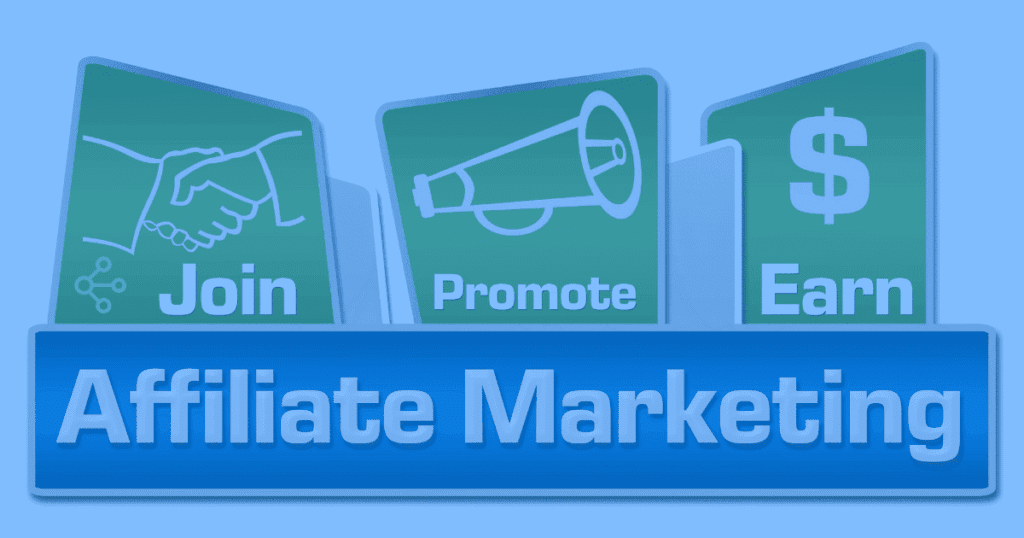
Affiliate marketing is about recommending products or services you genuinely trust and earning a commission when someone buys through your unique link. Instead of creating your own product from scratch, you partner with companies that already have tools, software, courses, or physical items your audience needs. When people click your link and make a purchase, you receive a small percentage of the sale as a reward.
It works best when your content is built around helping people first, not just “pushing” links. That means writing honest reviews, creating comparison guides, recording tutorials, or sharing your real experience with a product. When you treat affiliate marketing as a way to guide people toward useful solutions, your recommendations feel natural and trustworthy.
The long-term success of this model depends heavily on your integrity. If you only promote products you believe in, clearly disclose your affiliate relationships, and focus on solving real problems for your audience, affiliate marketing can become one of the most reliable and ethical ways to start an online business and grow your income over time.
1.1 Niche Affiliate Blog
A niche blog is focused on a specific topic, for example:
- Home office setup for remote workers
- Budget travel for families
- Tools for freelancers and creators
You publish helpful articles that answer real questions. Within those articles, you can recommend software, courses, or physical products as part of your affiliate marketing strategy.
What it really takes:
- Basic writing skills and patience
- Keyword research and SEO basics
- Consistency over months, not days
Over time, this becomes one of the more passive online businesses because older articles can keep bringing in traffic and commissions.
1.2 YouTube Channel With Affiliate Links
Instead of written articles, you create videos:
- Tutorials (“How to use X tool”)
- Reviews and comparisons
- Step-by-step walkthroughs
You add your affiliate links in the video description. This is ideal if you’re comfortable on camera or with voice-over. It’s still affiliate marketing, just in video format.
1.3 Software & Tools Review Website
This is a more focused version of the niche blog. You review:
- Website builders
- Email marketing tools
- AI tools
- E-commerce platforms
Because the buying decisions are often higher value (subscriptions, business tools), commissions can be attractive. The flip side: you need to be detailed and honest. People rely on your content to make real purchase decisions.
1.4 Email Newsletter With Recommendations
Here, your main asset is an email list. You send regular newsletters with:
- Curated resources
- Short tips and insights
- Occasional product recommendations with affiliate links
This model pairs well with a blog or YouTube channel and can support almost any other way you start an online business.
2. Digital Products & Digital Creator Paths
Digital products are files people download: guides, templates, planners, audio, and more. You create once and can sell many times.
2.1 Ebooks, Guides, and Mini-Playbooks
An ebook or guide solves one clear problem:
- “Beginner’s Guide to Freelance Writing”
- “Simple Budgeting System for First-Time Homeowners”
You don’t need a huge book. A focused, practical 30–60 page guide that delivers results is more valuable than a long, fluffy one. This is one of the most beginner-friendly online business ideas because you can start with your existing knowledge.
2.2 Templates Shop
Templates save people time. Examples:
- Canva social media templates
- Notion or spreadsheet templates
- Business document templates (contracts, proposals, planners)
You list these digital products on your own website or marketplaces. Success here usually comes from understanding your niche very well and designing templates that truly speed up their work.
2.3 Printables Store
Printables are digital files people print themselves:
- Planners and calendars
- Kids’ activity sheets
- Habit trackers and goal worksheets
They’re popular because they’re low-cost for the customer and efficient for you. You can combine a small set of related printables into bundles to increase value.
2.4 Stock Photos and Video Clips
If you enjoy photography or filming, you can create:
- Stock photo packs
- Vertical video clips for social media
- Themed bundles (e.g., “home office,” “fitness,” “healthy food”)
These digital products are great for content creators and small businesses that don’t have time to create original visuals.
2.5 Presets and Filters
Photo and video editing presets help others achieve a certain style quickly:
- Lightroom presets
- Mobile presets
- LUTs for video creators
The key is to target a specific audience: wedding photographers, lifestyle influencers, real estate agents, etc.
2.6 Music, Beats, and Sound Effects
If you create audio, you can sell:
- Royalty-free tracks for videos and podcasts
- Short beats for creators
- Sound effects packs
Over time, a library of audio digital products can generate repeat sales.
3. Online Courses & Education Offers
Online courses are structured learning experiences delivered digitally. People pay not just for information, but for clarity and a clear path.
3.1 Online Course Creator
This is the classic model:
- Pre-recorded video lessons
- Worksheets or templates
- Possibly a community or Q&A section
Good online courses focus on a specific transformation, such as:
- “Launch Your First Blog in 30 Days”
- “Intro to Graphic Design for Small Business Owners”
The more specific the result, the better.
3.2 Cohort-Based Workshops
Instead of a self-paced course, you run live sessions over a set period:
- Weekly Zoom calls
- Live demos and feedback
- Limited seats for personal interaction
This is great if you enjoy teaching live and want to build deeper relationships with students.
3.3 1-to-1 Coaching or Mentoring
Coaching is a more personal version of online courses. You work privately with clients on:
- Business strategy
- Health and fitness goals
- Career transitions
- Skill development
You can start with 1-to-1 offers and later turn your process into digital products or group programs.
3.4 Online Tutoring
Tutoring focuses on school subjects, exams, or language learning. It’s a straightforward way to start an online business if you already have teaching experience or strong academic skills.
4. Service-Based Online Businesses
Service-based models are often the fastest way to earn because you’re directly trading your skills for money.
4.1 Freelance Writing and Copywriting
If you like writing, you can offer:
- Blog posts
- Website copy
- Email sequences
- Product descriptions
This is one of the most accessible online businesses if you’re comfortable researching and writing clearly.
4.2 Social Media Management
Many small businesses need help with:
- Creating posts
- Scheduling content
- Engaging with followers
You can offer monthly packages and specialise in one platform or industry.
4.3 Web Design and Funnel Building
Using no-code tools and page builders, you can:
- Build simple websites for local businesses
- Create landing pages that collect leads or sell offers
- Design sales funnels that combine pages, emails, and digital products
This works well if you enjoy systems and design.
4.4 SEO and Blog Content Service
Here, you help clients get found in search engines by:
- Doing keyword research
- Planning blog topics
- Writing and optimising articles
You’re essentially applying SEO principles that also help your own online business.
4.5 Virtual Assistant (VA)
As a VA, you handle tasks like:
- Email and calendar management
- Basic research
- Uploading content
- Simple customer support
It’s a good option if you’re organised and like variety.
4.6 Video Editing Service
Video editors are in demand. You can specialise in:
- YouTube videos
- Short-form content (Reels, TikToks)
- Course or webinar editing
You can also combine this with affiliate marketing by recommending tools you use and trust.
4.7 Email Marketing Setup Service
You help clients:
- Choose an email platform
- Set up automations and welcome sequences
- Connect opt-in forms to digital products, webinars, or online courses
Over time, you can turn your process into a standard package or even a course.
5. E-commerce, Dropshipping & Print-on-Demand
These online businesses involve physical products but still run mostly online.
5.1 Dropshipping Store
You create an online store, choose products from suppliers, and when someone buys:
- The supplier ships directly to the customer
- You never hold inventory
The margin can be tight, and competition can be high, so niche selection and branding are important.
5.2 Print-on-Demand Store
You design graphics for:
- T-shirts and hoodies
- Mugs and tote bags
- Posters and phone cases
Print-on-demand services only print when a customer orders, so there’s no stock risk. This works especially well if paired with a strong brand or community.
5.3 Niche Product Store
Instead of selling “everything,” you focus on a narrow category:
- Pet accessories
- Home office gear
- Fitness accessories for a specific sport
You can also add digital products like guides or training plans to increase average order value.
6. Community & Membership Models
Community-based online businesses create ongoing value and recurring revenue.
6.1 Paid Membership Community
Members pay a monthly or yearly fee for:
- Access to a private group or forum
- Regular live Q&A or office hours
- Resource libraries and digital products
This works best when members share a clear identity or goal, such as “freelancers in their first year” or “small local business owners.”
6.2 Premium Newsletter
You might offer:
- A free weekly email with basic tips
- A paid version with deeper insights, templates, or strategies
This can integrate well with affiliate marketing and the online courses you create later.
6.3 Accountability and Challenge Groups
Short-term paid challenges can help people:
- Build habits (fitness, writing, marketing)
- Launch a small project
- Stay consistent for 30–90 days
You can deliver this through email, chat groups, or live calls.
7. Content & Audience-First Businesses
These models focus on building an audience first, then monetising in multiple ways.
7.1 YouTube Creator
You grow a channel with consistent content and later earn from:
- Ad revenue
- Sponsorships
- Affiliate marketing
- Your own digital products or online courses
It takes time to grow, but a strong library of evergreen videos can become a powerful asset.
7.2 Podcast Host
A podcast helps you:
- Build authority
- Connect with guests and partners
- Serve a loyal audience
You monetise through sponsorships, affiliate recommendations, memberships, or selling your own services.
7.3 Blog or Niche Website
Similar to the niche affiliate blog, but you can:
- Run ads
- Sell digital products
- Promote online courses
- Offer services
This is a written-content version of the audience-first approach.
7.4 UGC Creator for Brands
You create short-form content for brands to use on their own channels or ads:
- Product demos
- Story-style videos
- Testimonial-style clips
You don’t need a personal audience; your value is in creating content that feels native to each platform.
8. Tech, AI & Automation Focused Offers
These online business focus on tools and systems rather than just content.
8.1 Automation Setup Service
You help businesses connect their tools so processes run automatically:
- Lead capture to email software
- Follow-up sequences
- Basic reporting dashboards
This is very attractive for busy entrepreneurs who want to save time.
8.2 AI Content and Systems Consultant
You design workflows that combine AI tools with human review:
- Drafting content
- Summarising research
- Creating outlines for online courses or digital products
You’re not just “using AI,” you’re building efficient systems tailored to each client.
8.3 Micro SaaS or Simple Web App
If you’re technical (or partner with a developer), you can:
- Build a small tool that solves a specific problem
- Charge subscription or one-time fees
Many micro SaaS tools support other online businesses, like keyword research or content planning.
9. Marketplaces & Platforms
Marketplaces can be a good starting point to validate offers and learn what sells.
9.1 Etsy Digital Products Shop
Etsy is popular for:
- Printables
- Templates
- Simple digital products
You benefit from existing traffic but still need good listings, images, and customer service.
9.2 Freelancing Platforms (Fiverr, Upwork, etc.)
You create service offers and let clients find you through the platform. It’s competitive, but:
- You can get early experience and testimonials
- You learn what people are willing to pay for
- You can later move repeat clients off-platform to your own systems
9.3 Gumroad and Similar Storefronts
These platforms make it easy to sell:
- Guides and ebooks
- Small online courses
- Templates, presets, and toolkits
They handle payment and delivery so you can focus on creating and marketing.
Bringing It All Together
All of these online businesses can be mixed and matched. For example:
- A freelance writer who sells writing templates as digital products
- A YouTube creator using affiliate marketing and selling a small online course
- A service provider who later adds a membership and resource library
The most important step is choosing one main model to begin with, so you can actually start an online business instead of staying stuck in research mode. It’s tempting to try everything at once, affiliate marketing, digital products, online courses, services, but that usually leads to overwhelm and no real progress. When you commit to a single primary path, you give yourself the space to focus, build basic skills, and see what works for you in real life, not just in theory.
Once you’ve launched that first offer and started talking to real customers or viewers, you’ll learn more in a few weeks than months of watching tutorials. From there, you can refine your idea, improve your systems, and gradually add other income streams such as digital products, online courses, or affiliate marketing. In other words, you don’t need a perfect master plan on day one, you just need one clear, simple model to get started and grow from.
Frequently Asked Questions (FAQ)
1. What are the best online business ideas for beginners?
For complete beginners, the best online businesses are usually the ones with low upfront costs and simple tech. Good starting options include:
- Freelance services (writing, design, social media, virtual assistance)
- Affiliate marketing with a simple blog or YouTube channel
- Basic digital products like checklists, templates, or mini guides
- Small online courses or workshops based on skills you already have
These models help you start an online business without needing a huge audience or a complex website. You can keep things simple, learn the basics of marketing and sales, and then expand as you gain confidence and experience.
2. How do I choose the right online business idea for me?
Choosing the right path depends on three main things:
- Your skills and personality
- If you love writing: blogging, email, or copywriting.
- If you like teaching: online courses and coaching.
- If you prefer being behind the scenes: SEO, tech setup, automation, or digital products.
- Your time and energy
- If you want quicker income, services, and freelancing.
- If you’re happy to play the long game: affiliate marketing, content sites, and courses.
- Your comfort level with visibility
- If you’re okay on camera: YouTube, live workshops, or personal brands.
- If you prefer privacy: blogs, newsletters, templates, back-end services.
The goal isn’t to find a “perfect” idea. It’s to pick one realistic model so you can actually start an online business, test it in the real world, and adjust based on what you learn.
3. How long does it really take to make money from online business ideas?
It depends a lot on the model:
- Freelance services / virtual assistant work – can bring in income within weeks if you actively pitch clients.
- Affiliate marketing and SEO-driven blogs usually take months of consistent content before you see regular commissions.
- Digital products and online courses often need some audience first, or a clear promotional push, so income builds more slowly but can scale over time.
The honest answer: most people underestimate how long it takes. If you treat your project like a real business, give yourself at least 6–12 months to see meaningful results, and focus on improving your skills and offers along the way.
4. Is affiliate marketing still worth it, or is it too saturated?
Yes, affiliate marketing is still worth it, but not if you copy generic content or chase every trend. It works best when:
- You focus on a specific niche and audience.
- You create genuinely helpful reviews, comparisons, and tutorials.
- You only promote tools, products, and online courses you trust.
- You combine affiliate content with your own assets, such as digital products or services.
The market is competitive, but so is almost every other way to start an online business. What sets you apart is your honesty, your depth of content, and your willingness to stick with it long enough to build trust and authority.
5. Do I need to show my face to start an online business?
No, you don’t have to show your face if you’re not comfortable. Many online businesses can be built without being on camera:
- Blogs and SEO-focused websites
- Newsletters and email-based businesses
- Template shops and other digital products
- Services like writing, tech support, automation, or SEO
- Some forms of affiliate marketing (e.g. niche sites, comparison content)
If you prefer to stay behind the scenes, choose models where your value is in your knowledge, writing, design, or systems, not your personal image. Later, if you feel more confident, you can always add video or live sessions.
6. What skills do I need to create digital products?
You don’t need to be a designer or a bestselling author to sell digital products, but these skills help:
- Clear communication – explaining ideas simply and practically.
- Basic design or layout – using tools like Canva, Notion, or Google Docs.
- Understanding your audience’s problems – so your product solves something real, not just “looks nice.”
- Basic marketing – writing product descriptions, emails, or posts that explain the value.
You can start small: a single checklist, a planner, a mini guide, or a short toolkit. The more you talk to your audience and see what they struggle with, the better your future digital products will become.
7. How do I know if I’m ready to create an online course?
You’re probably more ready than you think if:
- You’ve helped even a few people get results in a specific area.
- People often ask you the same questions about a topic.
- You can outline a clear step-by-step process from “beginner” to a specific result.
Online courses don’t have to be huge, advanced programs. You can start with:
- A 60–90 minute live workshop
- A short “starter” course
- A focused mini-program with 3–5 core lessons
Begin with a narrow promise like “Beginner’s SEO Basics for Bloggers” or “Your First 5 Freelance Clients,” rather than trying to teach everything at once. You can always expand later as your online business evolves.
8. What if I don’t have any business or tech experience?
You can still start an online business with no formal business or tech background. Many entry-level models are simple at first:
- Services like writing, social media, admin support, or tutoring
- Starter digital products like simple templates or guides
- Basic affiliate marketing on a blog, newsletter, or social media profile
You will need to learn some basics along the way (like setting up a simple website, using a payment platform, or sending emails), but you can learn these step by step. No one starts out knowing everything. The key is to start small, accept that you’ll make mistakes, and keep improving.
9. Should I focus on one income stream or try multiple at the same time?
At the beginning, it’s better to focus on one main model and build a foundation there. For example:
- Freelance writing as your primary income
- A niche site with affiliate marketing as your main project
- One signature online course plus a few simple digital products
When that core model is stable and working, you can add secondary streams, such as:
- Adding affiliate links to your existing content
- Turning a service into a mini course or template pack
- Adding a membership or community around your main offer
Trying to juggle too many online businesses from day one usually leads to confusion and burnout. One solid stream is worth more than five half-finished experiments.
10. How do I stay motivated when results are slow?
It’s normal for results to feel slow at first. To stay motivated:
- Set realistic expectations – building something real takes months, not days.
- Track progress you control – content published, emails sent, people helped, skills improved.
- Celebrate small wins – your first subscriber, first click, first sale, first testimonial.
- Keep learning, but also keep doing – balance learning and action; don’t get stuck in endless research.
- Connect with others – communities, masterminds, or accountability groups help you stay grounded.
When you see your work as a long-term project instead of a quick gamble, it becomes easier to show up consistently, adjust your approach, and grow from each step.
Final Thoughts
There are countless online businesses out there, and that can feel both exciting and overwhelming. The truth is, you don’t need to master every model or chase every new trend. You just need one honest, practical way to start an online business that fits your strengths and your life.
Whether you choose affiliate marketing, digital products, online courses, or a simple service-based offer, the core principles stay the same:
- Focus on solving real problems for real people.
- Build trust through honest communication and useful content.
- Start small, learn from real-world feedback, and improve over time.
You can always mix models later, adding affiliate income to your blog, turning your client work into an online course, or packaging your knowledge into digital products. But your first big step is choosing one path, committing to it, and giving yourself enough time to see results.
Affiliate Disclaimer
This article contains affiliate links. If you click on them and make a purchase, we may earn a small commission at no extra cost to you. This helps us continue to provide honest reviews and recommendations. Thank you for your support.
Want to explore digital tools?
Visit our Top Tools page.